
Top Shopware 6 Features Every Modern Ecommerce Store Needs

BrainStream Technolabs · Brainstream Technolabs
Oct 26, 2026 · 4 min read
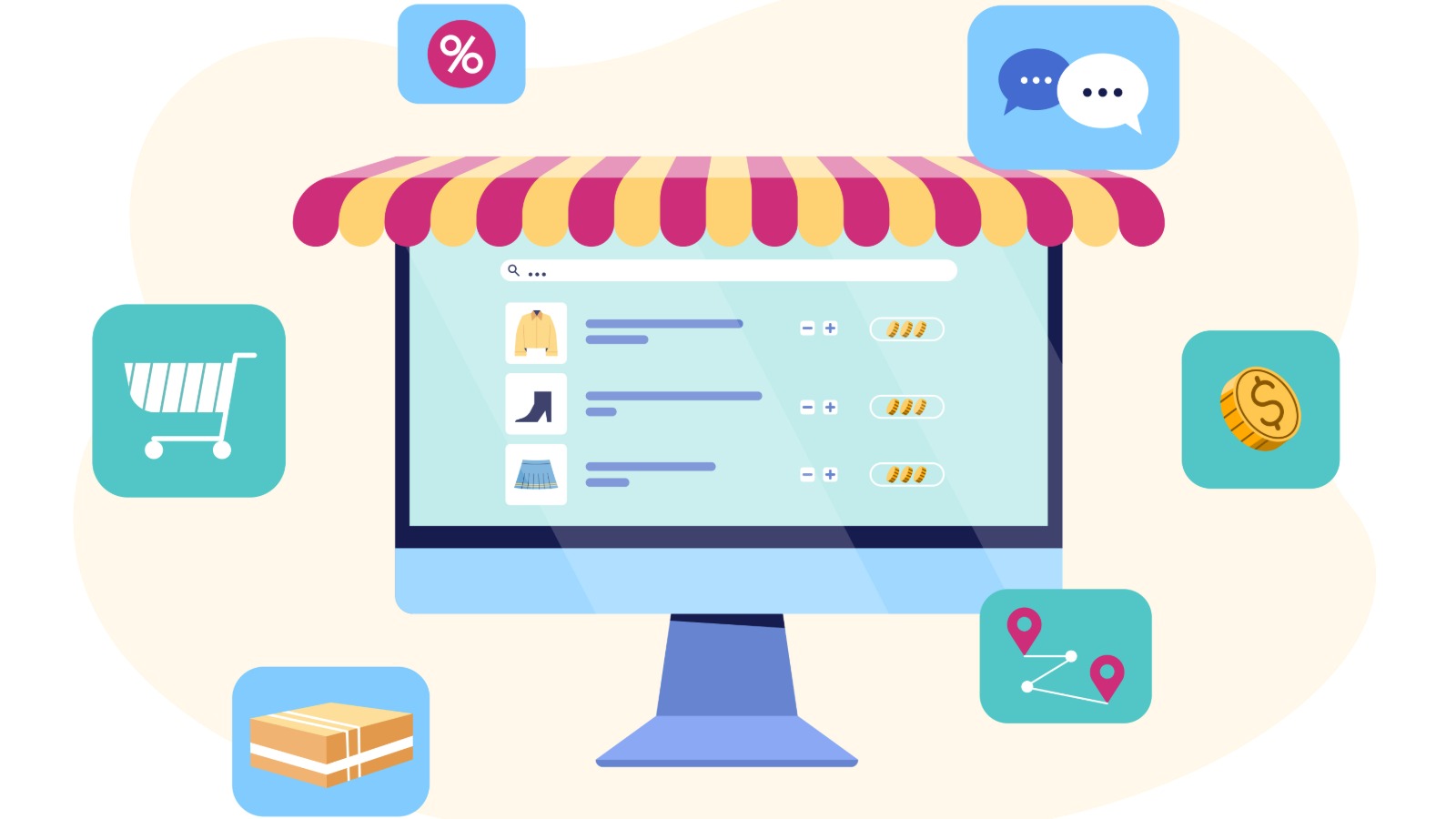

Ecommerce customers expect fast, flexible, and personalized shopping experiences. At the same time, businesses need tools that simplify store management and support growth.
Shopware 6 offers a flexible ecommerce platform for brands with different business models. It supports features for B2C, B2B, international commerce, personalization, content management, and integrations.
However, choosing the right features matters. A modern store should focus on capabilities that improve customer experience and business efficiency.
Here are the top Shopware 6 features every modern ecommerce store should consider in 2026.
Customers do not always search using exact product names. They may use natural language to describe what they need.
Shopware 6 is moving toward AI-powered product discovery and agentic commerce. These capabilities can help customers discover relevant products through modern search experiences.
For example, a shopper could search for “a lightweight jacket for rainy weather” instead of using a specific product name.
Better product discovery can help customers find suitable products faster.
Large ecommerce stores need flexible product management. Shopware 6 supports products, variants, categories, properties, and other catalog information.
This makes it easier to manage complex product catalogs.
Businesses can also connect Shopware with PIM systems when they need advanced product information management.
Useful for:
Large product catalogs.
Multiple product variants.
Complex product attributes.
International stores.
B2B product catalogs.
Accurate product data also supports better SEO and AI-powered product discovery.
Customers expect ecommerce stores to be easy to navigate. Shopware 6 provides tools for creating structured storefront experiences.
Businesses can customize navigation, product pages, shopping carts, and other parts of the customer journey.
A well-designed storefront should help customers move from product discovery to purchase with minimal friction.
Headless commerce separates the frontend from the ecommerce backend.
This gives developers more flexibility when creating custom customer experiences.
For example, a business could use Shopware as its commerce backend while building a custom frontend with modern technologies.
Headless architecture can be useful for businesses that need:
Custom storefronts.
Mobile commerce experiences.
Multiple frontend channels.
Advanced performance optimization.
Unique customer journeys.
However, headless development can require more technical resources. Businesses should choose it based on actual requirements.
B2B buyers often have different needs from individual consumers.
They may require company accounts, employee permissions, approval workflows, individual pricing, and purchasing limits.
Shopware 6 provides B2B capabilities designed to support more complex business purchasing processes.
Therefore, companies selling to business customers can create more suitable purchasing experiences without relying entirely on manual processes.
Also Read: How Shopware Business Central ERP Integration Streamlines eCommerce Operations?
Customers appreciate relevant product suggestions. Shopware 6 provides tools that can support personalized shopping experiences.
For example, stores can recommend similar products, complementary items, or products based on customer behavior.
Personalization can also support cross-selling and upselling.
However, recommendations should remain relevant. Too many suggestions can make product pages feel cluttered.
Content and ecommerce are becoming increasingly connected.
Shopware's Shopping Experiences feature helps businesses combine content and commerce within storefront pages.
Brands can create landing pages, promotional sections, product-focused content, and other experiences without rebuilding the entire storefront.
This is useful for marketing teams that need to launch campaigns quickly.
Modern stores rarely operate as standalone systems.
Businesses often need connections with:
ERP platforms.
CRM systems.
PIM platforms.
Payment providers.
Shipping systems.
Marketing tools.
Analytics platforms.
Shopware 6 provides APIs and integration capabilities that allow businesses to connect their ecommerce operations with other systems.
A well-planned integration strategy can reduce manual work and improve data consistency.
Selling internationally requires more than translating product descriptions.
Businesses may need multiple languages, currencies, sales channels, tax settings, and localized shopping experiences.
Shopware 6 provides features that support international ecommerce operations.
For brands targeting markets such as Germany, the USA, the UK, or other regions, these capabilities can simplify international expansion.
However, businesses should still review local tax, privacy, shipping, and legal requirements.
Customers should be able to find products quickly.
Large stores especially need useful search, filtering, sorting, and category navigation.
Shopware 6 supports advanced search experiences that can help customers narrow down products based on relevant attributes.
For example, a furniture store could allow shoppers to filter products by:
Material.
Size.
Color.
Price.
Brand.
Availability.
Better search can reduce frustration and improve product discovery.
Modern brands often sell through more than one channel.
Shopware 6 supports multiple sales channels, allowing businesses to manage different commerce experiences from one platform.
This can help brands manage websites, marketplaces, and other channels according to their business model.
Centralized management can reduce operational complexity as the business expands.
Developers need flexibility when building custom ecommerce solutions.
Shopware 6 provides APIs and development tools that support custom applications, integrations, extensions, and storefront experiences.
This makes the platform suitable for businesses that need more than standard ecommerce functionality.
A skilled Shopware Development team can use these capabilities to build solutions around specific business requirements.
A modern ecommerce store needs to handle increasing traffic and product demand.
Performance affects customer experience, conversions, and SEO. Therefore, businesses should optimize the platform, theme, images, extensions, APIs, and hosting environment.
Shopware 6 also continues to receive performance and platform improvements.
However, platform features alone cannot guarantee a fast store. Good development and infrastructure practices remain important.
AI is becoming useful not only for customers but also for ecommerce teams.
Shopware continues to introduce AI capabilities that can support content creation, product workflows, search, and other store management tasks.
For example, AI can help teams create product descriptions or handle repetitive content-related work.
Teams should still review AI-generated content for accuracy, brand consistency, and quality.
Security should be a core part of every ecommerce project.
Businesses should keep Shopware, extensions, integrations, and server environments updated.
They should also review user permissions and protect APIs and customer data.
Regular maintenance helps reduce security risks and keeps the store compatible with newer platform capabilities.
Shopware 6 provides a strong foundation for modern ecommerce businesses. Its capabilities cover product management, personalization, B2B commerce, integrations, international selling, headless development, and AI-powered experiences.
However, successful ecommerce development is not about activating every feature. Choose capabilities that solve real customer and business problems.
With the right Shopware Development strategy and an experienced development partner, businesses can build flexible ecommerce stores that are ready to scale in 2026 and beyond.
Sign in to respond and applaud.
No responses yet. Be the first.
 SaaS / Cloud Software
 Artificial Intelligence