

The front desk that never sleeps.
Can I book a call this week?Absolutely — Thursday 3pm works. Booked ✅
Meet the workforce answers · books · sells
The term "metaverse" was first used in Neal Stephenson's book Snow Crash in 1992. It was primarily limited to science fiction and, to a degree, gaming platforms that attempted to recreate an immersive replica of the real world on digital platforms for several years.
The Metaverse has recently gained traction as a result of the release of several blockchain-based apps that decentralize virtual worlds – with significant implications for the real estate industry.
Do you know that this year, global commercial real estate investment reached an all-time high of $800 billion? Isn't it fascinating? Real estate is the most liquid asset, but it necessitates more involved and lengthy transaction processes as well as substantial capital commitments.
Everyone is concerned about how to keep real estate transactions secure if they continue to be conducted digitally. Things are much easier to manage now that real estate assets have been digitized. "Real Estate Tokenization" is the term we use to describe it.
In the Metaverse, What Is Digital Real Estate?
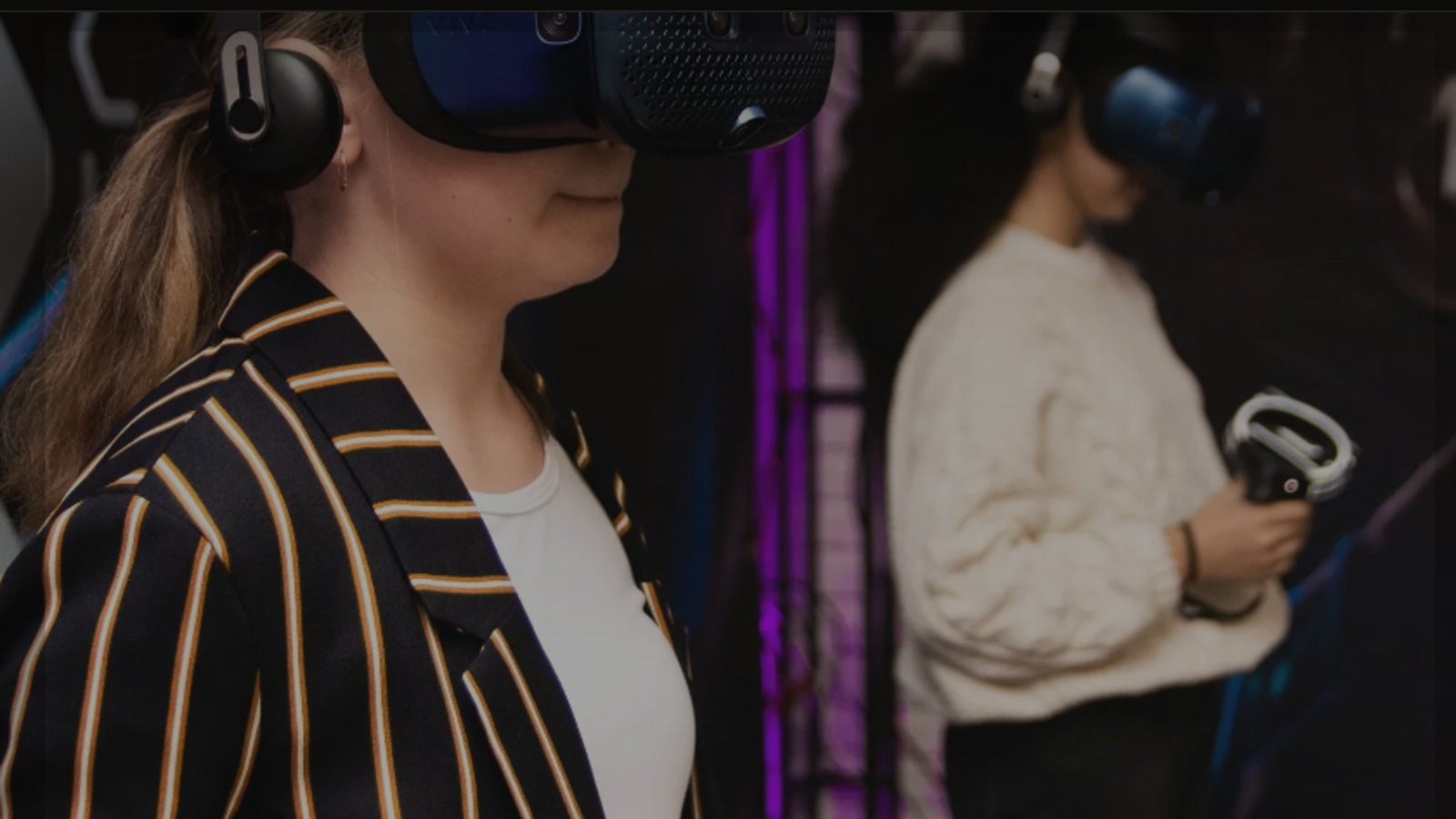
The metaverse is a unified virtual world where users can interact with each other using 3D avatars and exchange information with the surrounding 3D world using human-computer interactions (HCI).
The Metaverse's virtual worlds contain digital real estate segments called parcels, which can be bought and sold using the Metaverse platform's currency. For example, Decentraland's cryptocurrency token MANA can be used to buy land.
Over the last few months, investors have spent millions of dollars buying land in the Metaverse. There's no denying that technology has changed the way real estate is done, and there are even mortgage providers and lenders who cater to customers who buy digital real estate, which has five major implications.
Implications of Digital Real Estate
1. It redefines land value and devalues the utility factor.
Land is valued in the real world based on three key factors: size, location, and actual utility. However, in the Metaverse, one of these factors is less important than the others: when buying digital real estate, real utility is less important because the buyer will never actually inhabit or visit the land.
Because the goal of purchasing land in the Metaverse is to either develop it or lease it to a third party, size and location become far more important determining factors.
2. It makes real estate more accessible to a broader range of buyers.
In the Metaverse, unlike in the real world, anyone can invest. Land parcels are available in a variety of shapes, sizes, and locations, and on a variety of platforms, each with a different price point.
Buyers from all over the world can create a cryptocurrency wallet and begin investing. There are no restrictions on purchasing global real estate, and micro land parcels are available at affordable prices.
3. It is foresightful, predicting that the Metaverse will "blow up."
The growing popularity of Metaverse platforms is one of the key implications of digital real estate. Companies such as Samsung and PwC have invested in digital real estate in preparation for a future in which everyone uses the Metaverse.
4. It is a high-risk investment that may result in losses.
As previously stated, there is no guarantee that all Metaverse platforms that are currently attracting investment will remain popular in the future, making digital real estate a high-risk investment class.
Furthermore, analysts and peer-reviewed forums are still debating the intrinsic value of Metaverse land. Because the utility factor is so low, some investors may experience long-term losses.
5. It transforms a variety of real-world activities into metaverse activities.
There is a strong push to reimagine real-world activities for digital real estate as more land parcels become available for purchase. In the Metaverse, for example, trade shows and exhibitions have been held, with large event venues, sponsorships, and booths driving monetization.
It would be a fully immersive experience with opportunities for hands-on interaction, with no travel or commuting required. Social gatherings, weddings, and collaborative work could all be relocated to the Metaverse, putting digital real estate to good use.
Land Purchase Trends in the Metaverse for 2022
The following are some of the top digital real estate trends for this year:
- Expect sales of over $1 billion – Metaverse land sales are expected to hit a new high of $500 million in 2021, according to reports. In 2022, sales could more than double, reaching $1 billion. However, as the year progresses, the pace of change may slow.
- Depending on industry movements, the market will be volatile – The market will remain volatile and fluctuate in response to industry movements and key player announcements.
- When Meta's stock fell in value at the start of 2022, for example, there were concerns about the sale of digital real estate. If there are more announcements on major platforms like The Sandbox, Decentraland, Roblox, Bloktopia, and others, investors can expect some volatility.
- Corporates and luxury brands will be among the first to adopt the technology – The top two early movers in digital real estate have been dedicated Metaverse investment firms and large corporations. We expect the trend to continue in 2022, with more of the Big Four acquiring metaverse land parcels.
- Metaverse events may become commonplace – Meta's Horizon Venues is now widely available, and most Metaverse platforms have their own event calendars. As a result, digital real estate events may become commonplace by 2022. Virtual reality provides incredible immersive opportunities for hosted events, particularly concerts and art shows, and this trend is likely to continue.
Finally, the Metaverse's transformative potential is due to its underlying blockchain architecture. Even in the absence of a virtual environment, blockchain empowers real estate by assigning non-fungible values to digital assets.
NFT marketplace development is an important asset class in and of themselves, even outside of the Metaverse. NFTs are used to trade digital real estate, bringing the same technology to virtual worlds.
NFTs and VR work together to allow buyers to invest in digital land that they can not only own, but also view in 3D and interact with other users without it being technically "real."
Responses (0)
Sign in to respond and applaud.
No responses yet. Be the first.
More in TechnologySee section →
 Artificial Intelligence
When Spaces Come Alive: The Art and Science of Immersive Experiences
 IT Services & Consulting
How Do Azure Cloud Consulting Services Build a Landing Zone?
 Blockchain & Web3
How to Find the Best Cheap Web Hosting?
 SaaS / Cloud Software
GCP Consulting: Data and AI Architecture, Not Moving VMs
More from All stories →